

How to Organize a Multicultural Asian-European Destination Wedding in Europe?
A wedding that weaves together two distinct cultures is one of the most meaningful and logistically intricate celebrations a couple can plan. The right balance of heritage and modernity does not happen by chance: it takes deep cultural understanding, trusted vendor relationships, and meticulous orchestration across borders.
After a decade of curating Asian-European celebrations across Europe, here is what we know matters most.
Start Earlier Than You Think
For a destination wedding abroad, eighteen months is not too soon to begin. The most celebrated venues in Europe , châteaux in Provence, villas on the Amalfi Coast, historic estates in Portugal are booked well over a year in advance. Bilingual vendors and culturally fluent photographers are equally sought-after.
A useful planning timeline:
18+ months out: Define your vision, set your budget, and begin the venue search
12–15 months: Confirm the venue, secure your planner, and begin vendor outreach
9–12 months: Lock in photography, catering, and florals; begin ceremony structure planning
6–9 months: Finalize all logistics, guest travel arrangements, and cultural ceremony details
3–6 months: Confirm all timings, briefings, and rehearsal schedule
Designing the Ceremony Structure
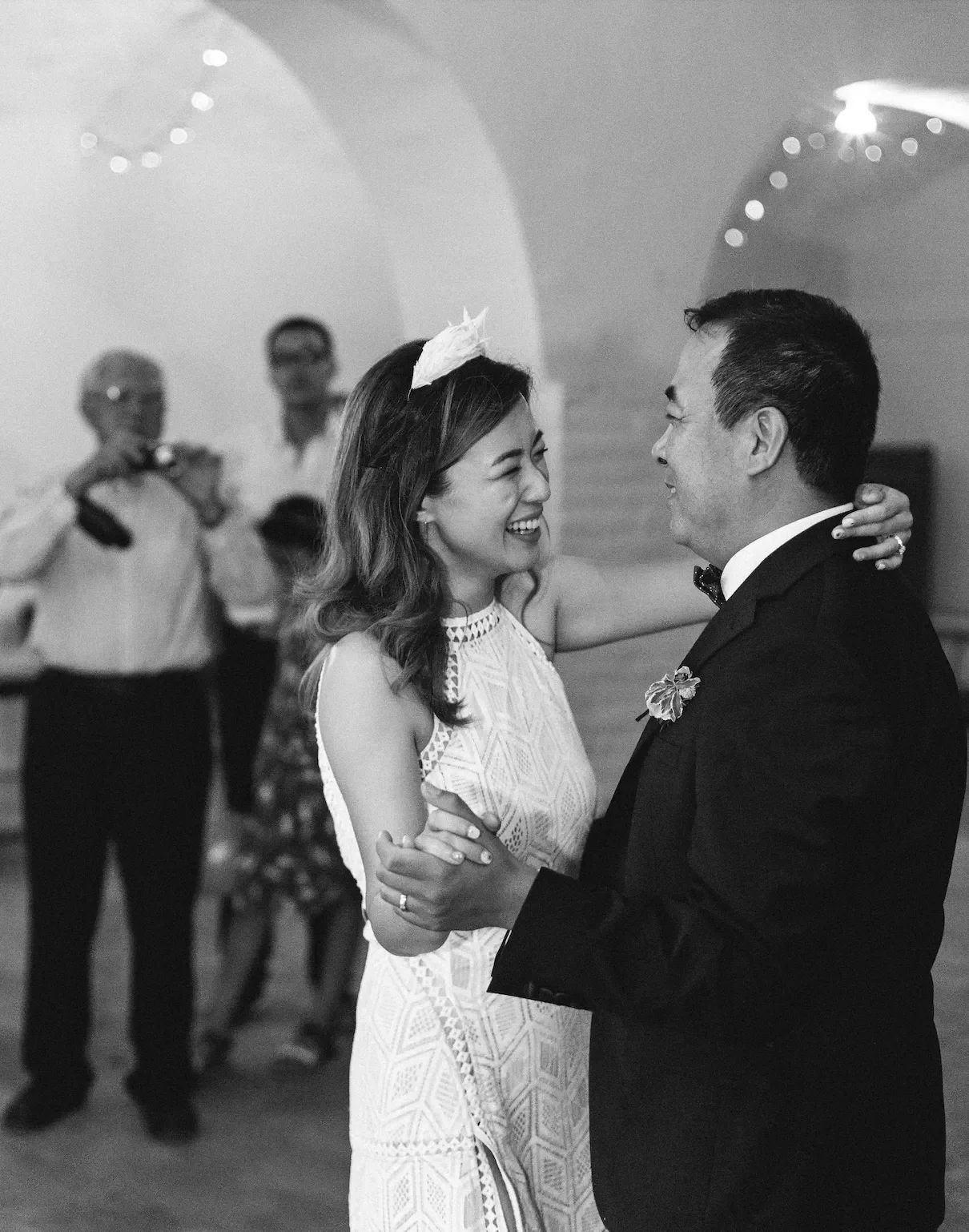
One of the most beautiful aspects of an Asian-European wedding is the opportunity to celebrate multiple ceremony traditions within a single event. Many of the couples we work with incorporate both a Western civil or symbolic ceremony and a traditional Chinese tea ceremony, often across different moments of the same day or across multiple days.
Key decisions to consider:
Will the tea ceremony take place before or after the Western ceremony?
Are you planning a multi-day celebration, with each day dedicated to a different tradition?
How will the two ceremony aesthetics coexist complementary colour palettes, unified floral language, shared symbolic elements?
These are decisions best made early, as they shape everything from the venue layout to the photography schedule and catering sequence.
Bridal Attire
Most brides at multicultural celebrations wear two or three outfits across the day: a qipao or traditional dress for the tea ceremony, a Western bridal gown for the ceremony, and often an evening look for the reception dinner. Each change is an opportunity for beautiful imagery, photography is typically scheduled to capture every look.
Coordination between your stylist, photographer, and planner is essential to ensure transitions are seamless rather than rushed.
Catering & the Dining Experience
Food is the most emotionally resonant element of any celebration, and at a multicultural wedding, it carries particular significance. There are two main approaches:
A fusion menu that thoughtfully blends both culinary traditions into a single dining experience
Separate catering moments , for example, a traditional Chinese banquet alongside a Western dinner service — across a multi-day format
At Moda Mariage, we focus on the fusion approach, working with chefs who understand both traditions and can create menus that feel cohesive rather than compromised.
One important consideration: not every venue in Europe permits outside caterers. Choosing a venue that offers complete freedom of catering selection is essential for couples seeking a truly bespoke culinary experience.
Venue Selection
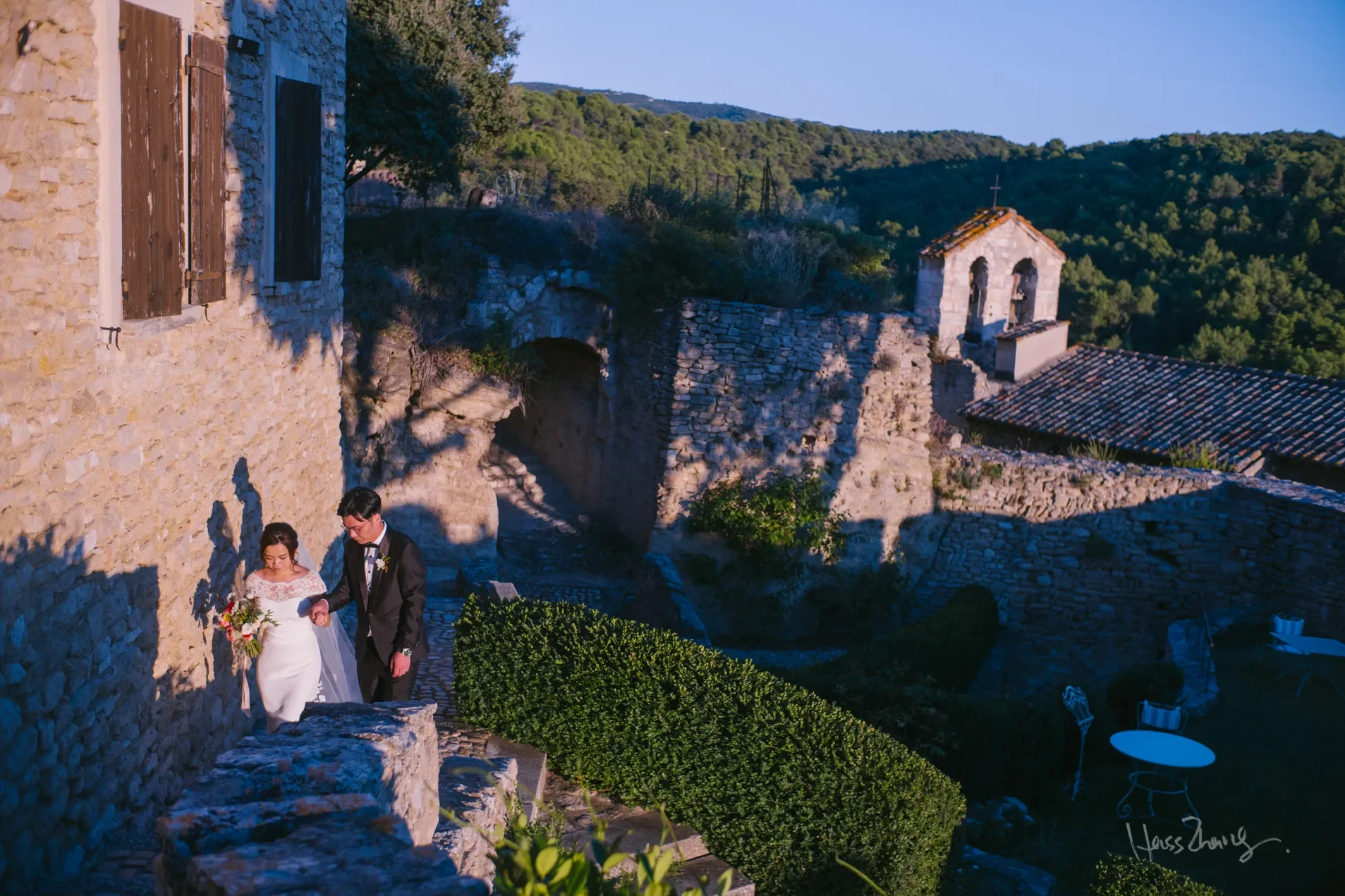
Your choice of venue sets the parameters for almost every other decision. Some properties operate as full-service packages , venue, catering, and even photography, bundled together. For multicultural couples, this can create limitations, particularly around food, cultural ceremony setup, and vendor access.
All of the weddings we have organised at Moda Mariage have taken place in venues that grant couples complete freedom of choice: properties in Tuscany, along the French Riviera, and beyond where no element of the celebration is dictated by the venue's own commercial arrangements.
Finding the right vendors
Sourcing vendors who genuinely understand the nuances of an Asian-European celebration is one of the most common challenges couples face — and one of the most significant reasons to work with a specialist planner.
What to look for:
Photographers who have experience shooting diverse skin tones, traditional attire, and tea ceremony moments
Florists familiar with the symbolic significance of certain flowers in Chinese tradition
Caterers who can execute both Western and Asian cuisine at the same standard of quality
MCs and officiants who are bilingual, or comfortable working alongside a bilingual team
At Moda Mariage, vendor curation is at the core of what we do. Every supplier in our network has been selected for their cultural awareness as much as their craft.
Legal requirements
For international couples marrying in Europe, the administrative landscape varies significantly by country. Marrying legally in France, Italy, or Portugal as a non-resident requires specific documentation, often including translated and apostilled certificates. Processing times can extend to several months.
Many of our couples choose to complete their legal marriage in their home country and hold a symbolic ceremony in Europe , a practical solution that removes administrative complexity without any compromise to the celebration itself. We guide every couple through the process that makes the most sense for them.
Guest Experience
When guests travel from Asia, North America, and across Europe to celebrate with you, they bring with them different cultural references, different expectations, and different degrees of familiarity with wedding traditions. Creating an experience that feels welcoming to everyone is an act of thoughtfulness.
Practical considerations:
Bilingual welcome notes, programmes, and menus
A welcome evening or gathering that allows guests from different groups to connect before the main celebration
Dietary considerations across cultural backgrounds
Clear, warm guidance for guests unfamiliar with one of the ceremony traditions
The details that make guests from every background feel seen are often the ones they remember most.
The Celebration You Have Imagined Is Possible
A multicultural wedding that honours both of your heritages while feeling utterly your own is not a compromise — it is one of the most meaningful celebrations we have the privilege of planning. It requires time, cultural fluency, and the right team around you.
At Moda Mariage, this is precisely the work we were built for.
→ Begin your journey with a consultation