

How to Choose Your European Wedding planner
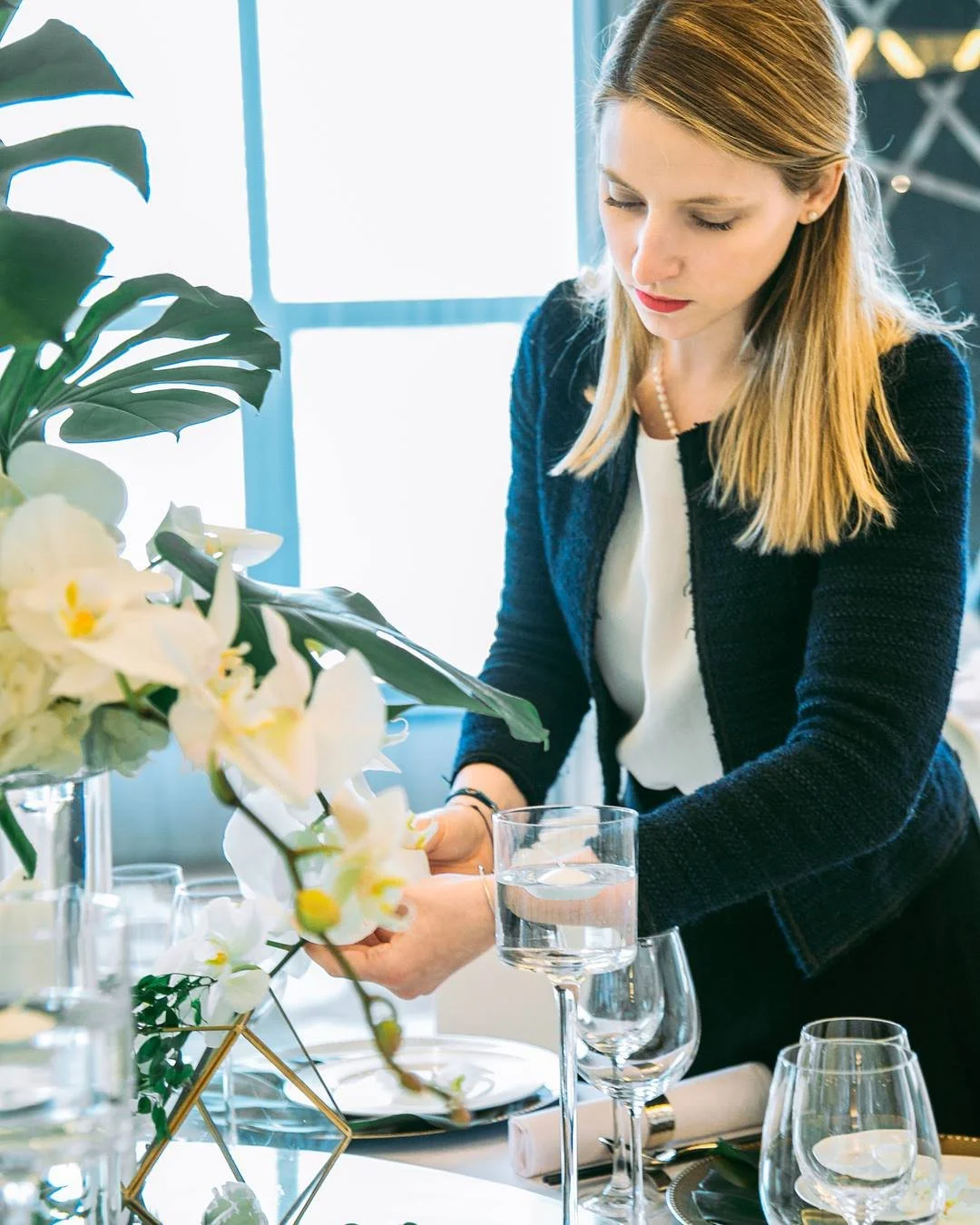
Your wedding planner is not simply a coordinator. For an international couple planning a destination wedding in Europe, they are your cultural translator, logistics architect, and creative collaborator, the person who transforms your vision into a lived experience, from a different continent, across a different time zone.
The decision deserves more than a scroll through Instagram. Here is how to make it with clarity and confidence.
1. Understand the fee structure
Wedding planners structure their fees in several ways. Understanding the model before you sign matters.
Percentage of budget
Typically 10–15% of your total spend, often with a minimum base fee. This model scales with your celebration and is ideal for couples whose vision may evolve. At Moda Mariage, we work on this basis, ensuring our commitment to your day grows alongside its ambition.
Flat fee
A fixed amount agreed upfront based on estimated workload, guest count, and venue. Best for couples who want complete budget predictability from day one.
Hybrid model
A flat planning fee combined with a smaller percentage applied to high-production vendor categories, custom staging, marquee builds, complex installations. Most common for highly bespoke celebrations.
Beyond the fee model, confirm what the fee includes: is it full planning from vision to execution, or design and creative direction only? The scope matters as much as the number.
2. Assess Cultural and Communication Fit
You will spend twelve to eighteen months working closely with your planner. Cultural alignment, not just logistical competence, is essential.
For multicultural couples, this goes beyond language. A planner who has never navigated a Chinese tea ceremony alongside a Western reception will not intuitively understand the sequencing, the symbolism, or the vendor coordination that a fusion celebration requires. Ask directly: how many Asian-European weddings have they planned? What specific cultural elements have they managed?
Practical questions to ask:
How do you manage the time difference for clients based in Asia or North America?
Do you offer dedicated video call windows outside European business hours?
How do you communicate with vendors on our behalf, are you their main point of contact throughout?
How have you handled a crisis on a wedding day? Walk me through a specific example.
3. Questions to Ask on Your First Call
A first consultation is as much an interview as it is an introduction. Come prepared.
On local knowledge:
How often do you physically visit the regions you plan in? Do you have established relationships with venues and vendors there, or do you source remotely? A planner with genuine on-the-ground presence will answer this without hesitation.
On financial transparency:
Do you accept commissions or referral fees from vendors you recommend? Or is all pricing passed directly to the client at net cost? A professional planner will be unambiguous on this point.
On scope:
Does your fee cover the full wedding weekend, welcome dinner, main celebration, recovery brunch, or only the ceremony day itself? Clarify this before any contract is signed.
On cultural experience:
For multicultural couples: how do you approach the integration of two ceremony traditions within a single event? Have you worked with bilingual officiants, multiple ceremony spaces, or dual catering formats?
4. Trust Your Instinct on Aesthetic Alignment
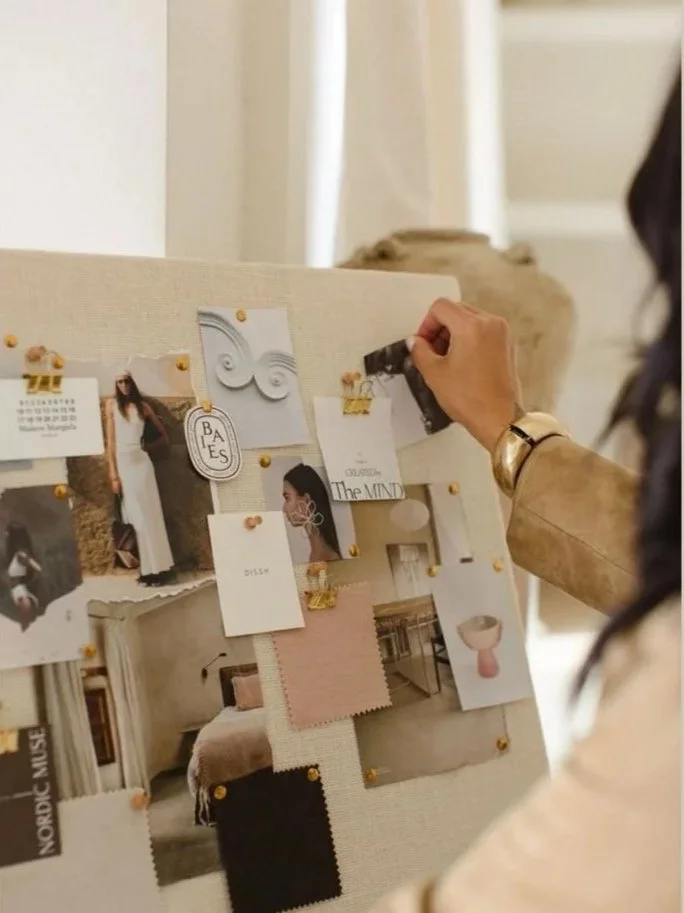
A planner's portfolio tells you what they have achieved. Your first conversation tells you whether they understand what you are reaching for. The best planning relationships are built on genuine creative resonance, not just logistical capability.
Look for a planner who listens before they suggest, who asks questions about your story rather than immediately presenting a menu of options. Your celebration should feel like an extension of who you are, and that begins with the person helping you shape it.
Find the Planner Who Understands Your Celebration
At Moda Mariage, we have spent a decade curating celebrations for international and multicultural couples — with deep fluency in both European logistics and Asian cultural traditions. Every couple we work with receives our full creative and operational attention, from the first call to the last dance.
→ Explore our portfolio of past celebrations